
Why Your Core Still Feels Weak Months After Baby (And How to Rebuild It)
Listen to the Podcast Episode Below
Why Your Core Still Feels Weak Months After Baby (And How to Rebuild It)
You got the green light at your six-week checkup. Since then, maybe you've dropped into a group class, squeezed in some crunches on the living room floor during nap time, or pulled up whatever YouTube workout fit the twenty minutes you had.
And yet, months later, your core still feels off. Weak. Disconnected. Maybe your back aches when you lift your little one out of the car seat, or you notice a dome down the middle of your belly when you sit up.
If that sounds familiar, I want you to hear this first: you're not doing anything wrong, and you're far from alone. Postpartum core weakness is one of the things I hear about most from the moms I work with, and it's exactly what I break down in this week's podcast episode. Here's a look at the big ideas, plus where to start.
Pregnancy changes your core more than you think
Over the course of pregnancy, your abdominal muscles stretch significantly to make room for baby, and the connective tissue running down the middle of your abs thins and weakens. That's true whether or not you have a true diastasis recti (a separation of two or more finger widths), and whether you delivered vaginally or by C-section. Every postpartum core has been through a lot.
Then, at your six-week appointment, you were probably told to "ease back into it" or "listen to your body." Both are true! But neither one is a plan. So most of us do what feels reasonable: a class here, a random workout there. And that's where things tend to stall.
The 2 reasons your core is still weak after baby
1. You weren't given a system to rebuild your core
It takes a lot more than rest and random crunches to heal a core that's been stretched and weakened. Feeling "fine" doesn't mean you're healed. There's a lot happening beneath the surface of your core, and it needs to be addressed intentionally, in the right order. Jumping straight back into group classes or online workouts isn't off-limits, but without a foundation underneath, it can keep you stuck (or lead to doming and back pain).
2. You haven't been consistent with the right things for long enough
Consistency is the key to results. But it has to be consistency with the right exercises, the ones that actually help your core heal and rebuild.
And it takes time. As a mom of three, I can tell you my core took a different amount of time to heal after each baby. Today I can do push-ups, planks, crunches, and run without doming or back pain, but it took a lot of time and so much consistency to get here. We don't give moms an honest picture of this timeline, so many of us expect to feel "back to normal" at six or twelve weeks, and then wonder what's wrong with us when we don't.
Here's the good news: neither of these is your fault. And both are fixable.
4 steps to start rebuilding your postpartum core
This is a big topic, so in the episode I give a high-level overview of the framework I use with my 1:1 clients. Here's the short version:
Master 360 breathing. This is how we get your core back "online." Your rib cage needs to expand in all directions (front, sides, and back) for the rest of your core to function well again. I teach this on the very first call with my clients so we can spot imbalances and correct them right away.
Get into stacked alignment. Think shoulders over rib ca ge over pelvis. Rib flare and pelvic tilt create pressure imbalances that can keep your core weak no matter how many ab exercises you do.
Activate the whole core system. Your core isn't just your six-pack muscles. It's a team: your pelvic floor, deep abdominals, and diaphragm all working together. Most workouts only target the superficial abs, which makes this the missing piece (and honestly, the secret sauce) for so many moms.
Add movement that progresses over time. Once you're truly connected to your whole core, it's time to put it to work. We start with core recovery exercises like heel slides, glute bridges, and knee lifts. Once there's no doming, we gradually add challenge. Eventually, weighted strength training like squats, hinges, and rows comes in and makes a huge difference, because those movements teach your core to stabilize under real-life load.
The key is putting it all together on a smart timeline that works for your body, not someone else's.
From weak core to strong, capable mama
This is what I call the rebuild. It's exactly how I help clients go from feeling weak in their core and whole body to feeling like strong, capable mothers who are ready for everything that makes them feel like themselves again. For some moms, that means carrying their kids without back pain. For others, it's healing diastasis recti, feeling good in their clothes again, running a half marathon, or lifting heavy.
Whatever your goal is, your core can get there with the right plan.
Listen to the full episode
Want the full breakdown, including more on what's happening beneath the surface and how to tell when you're ready to progress?
🎧 Listen now on Apple Podcasts | Spotify
Want a Plan Built Around Your Body?
If you're ready for personalized support, book a free strategy call using the link in my bio. We'll map out exactly how to reach your goals.
Not sure yet? Send me a DM on Instagram at @strongmamawellness. I'm always happy to chat and answer your questions.
NOTE: This post is for educational purposes only and isn't a substitute for individualized medical advice. Check with your healthcare provider before starting scar massage or a new exercise program after a C-section.
Want More?
Subscribe/follow the podcast for weekly episodes in your feed over on Apple or Spotify.
Follow and say hello over on Instagram! @strongmamawellness

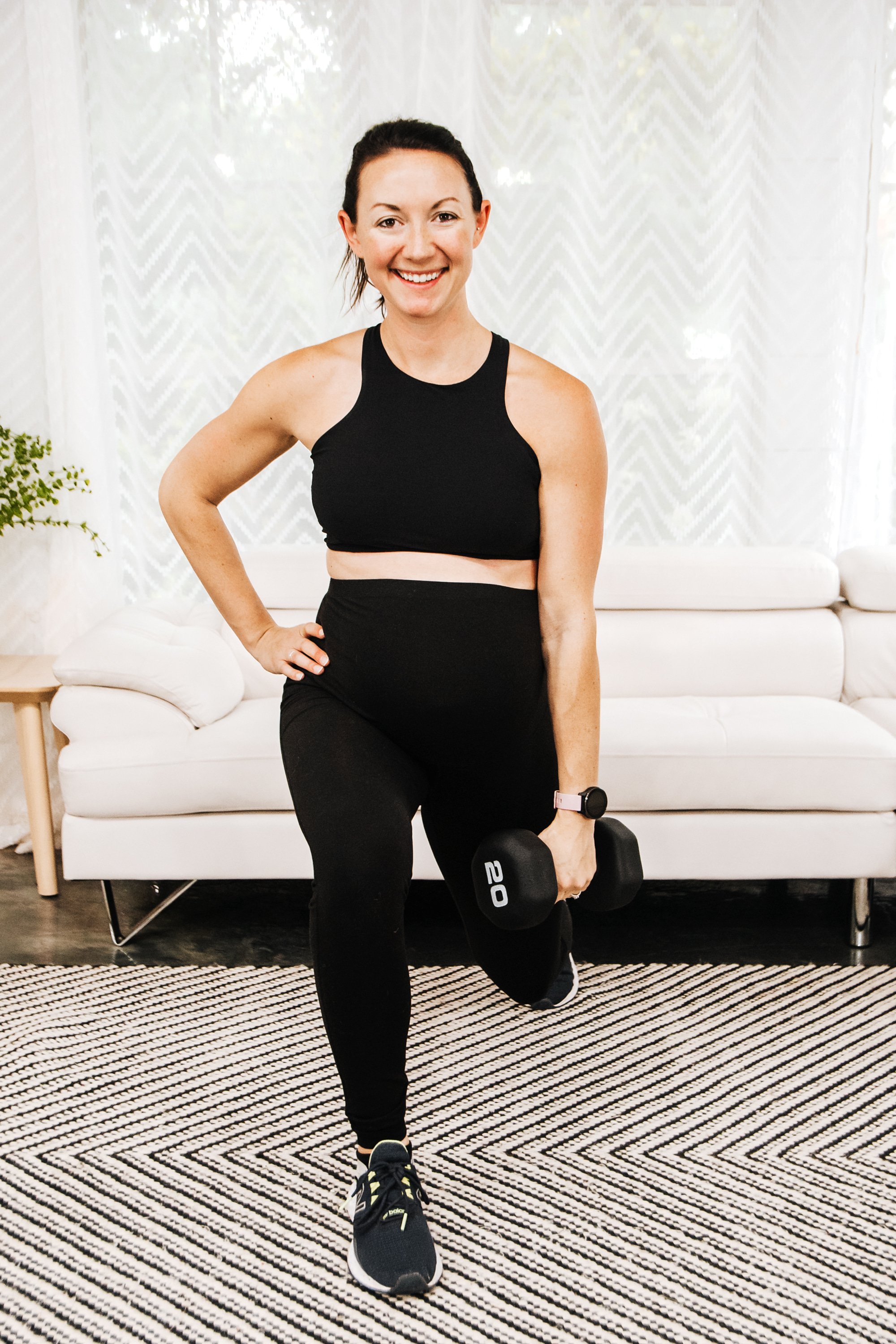
I’m Nicole, Pre/Postnatal Fitness Coach and founder of Strong Mama Wellness. I take the confusion out of exercising in pregnancy and postpartum and help women strengthen their body for pregnancy, delivery, and recovery. You deserve to have a thriving, healthy pregnancy and postpartum journey!
Keep your pregnancy workouts safe with our FREE Guide!
You’ll learn important exercise modifications for each trimester of pregnancy.
