
5 Sneaky Reasons Your Ab Separation Isn’t Healing Postpartum | Diastasis Recti

Listen to the Podcast Episode Below
5 Sneaky Reasons Your Ab Separation Isn't Healing
If your core feels slow to heal postpartum, or your lower belly still pushes out no matter how much core work you do, this post is for you.
I hear this all the time from the moms I work with. They've done the deep core work. They've been consistent. And yet their core still domes during exercises that used to feel easy. This isn't just a cosmetic concern. It's a sign that your pressure management system (aka your core) likely isn't working the way it should.
I get it personally, too. I've been through three c-sections and recovered from diastasis recti myself, and my core tends to be pretty sleepy, even two years postpartum. These are things I've had to dig into and apply in my own life.
First, What Is Diastasis Recti?
Diastasis recti (DR) is a gap of two finger-widths or more between your abdominal muscles. The width matters, but the depth often tells us more about your tissue. Does it feel deep and squishy, or firm and taut?
A few things to know:
Nearly every woman has DR by the end of pregnancy. It's normal and natural.
By 6 weeks postpartum, about 60% of women still have it.
By 6 months, 30–40% still do.
It doesn't just "go back" on its own. It often takes real work and troubleshooting.
The goal isn't necessarily to close the gap completely, and that isn't possible for everyone. The goal is to regain function and manage pressure, so it isn't constantly pushing your abs apart during exercise and daily life.
So let's talk about what might be getting in the way.
1. Your Posture
Pregnancy tends to tip us into an anterior pelvic tilt, which puts extra pressure on the lower abs. Add a stiff rib cage, and pressure gets pushed down and out into your lower belly.
Instead, aim for a stacked position:
A neutral low back
Ribs stacked over your pelvis
Imagine flashlights on your shoulders and hips, all shining at the wall in front of you
If that feels hard to hold, take it as your sign to build strength and mobility in the areas that support your posture.
2. Your Spine Mobility
Carrying all that weight out front for months leaves your spine tight. Often:
Your low back muscles shorten
Your mid-back (thoracic spine) gets stiff, making rotation tough
Your rib cage loses its ability to expand in all directions
And when your ribs can't expand, pressure takes the path of least resistance: straight to your low belly.
3. A Weak Connection With Your TVA
Your transverse abdominis (TVA) is the deepest layer of your abs. Think of it as your natural corset, pulling everything in and together.
If you don't have a strong connection to your breath and pelvic floor, chances are your TVA isn't doing its job. Rebuilding your core takes so much more than kegels, bracing, or pulling your belly button to your spine.
4. Only Focusing on Deep Core
On the flip side, deep core work is your foundation, but staying there forever has its downsides. To keep progressing, you need to:
Add back work for your obliques and rectus abdominis. Building muscle here can gradually help bring your abs back together, as long as pressure is managed well.
Layer in functional strength work like squats, rows, and presses, which challenge your core in all the right ways.
5. Poor Pressure Management
Your core is a canister, with your diaphragm on top and your pelvic floor on the bottom. Managing the pressure inside it is the key to healing, and that doesn't come from one magic exercise. It comes from everything we've covered working together:
Better posture
Improved spine mobility
A strong deep core connection
Intentional progressions to rebuild abdominal strength
You Don't Have to Figure This Out Alone
If you read this and thought, "I think it's more than one of these," you're in good company. These pieces are all connected, which is exactly why it's so hard to know where to start on your own.
Inside my Private 1:1 Coaching, we look at your whole picture and build a plan around your body using my 3B framework. Not sure if it's the right fit? Book a free Strategy Session here. You'll walk away with 2-3 clear next steps, whether we work together or not.
Want More?
[NEW] Submit a question or topic request for a future episode here!
Subscribe/follow the podcast for weekly episodes in your feed over on Apple or Spotify.
Follow and say hello over on Instagram! @strongmamawellness
Listen to the Full Episode:


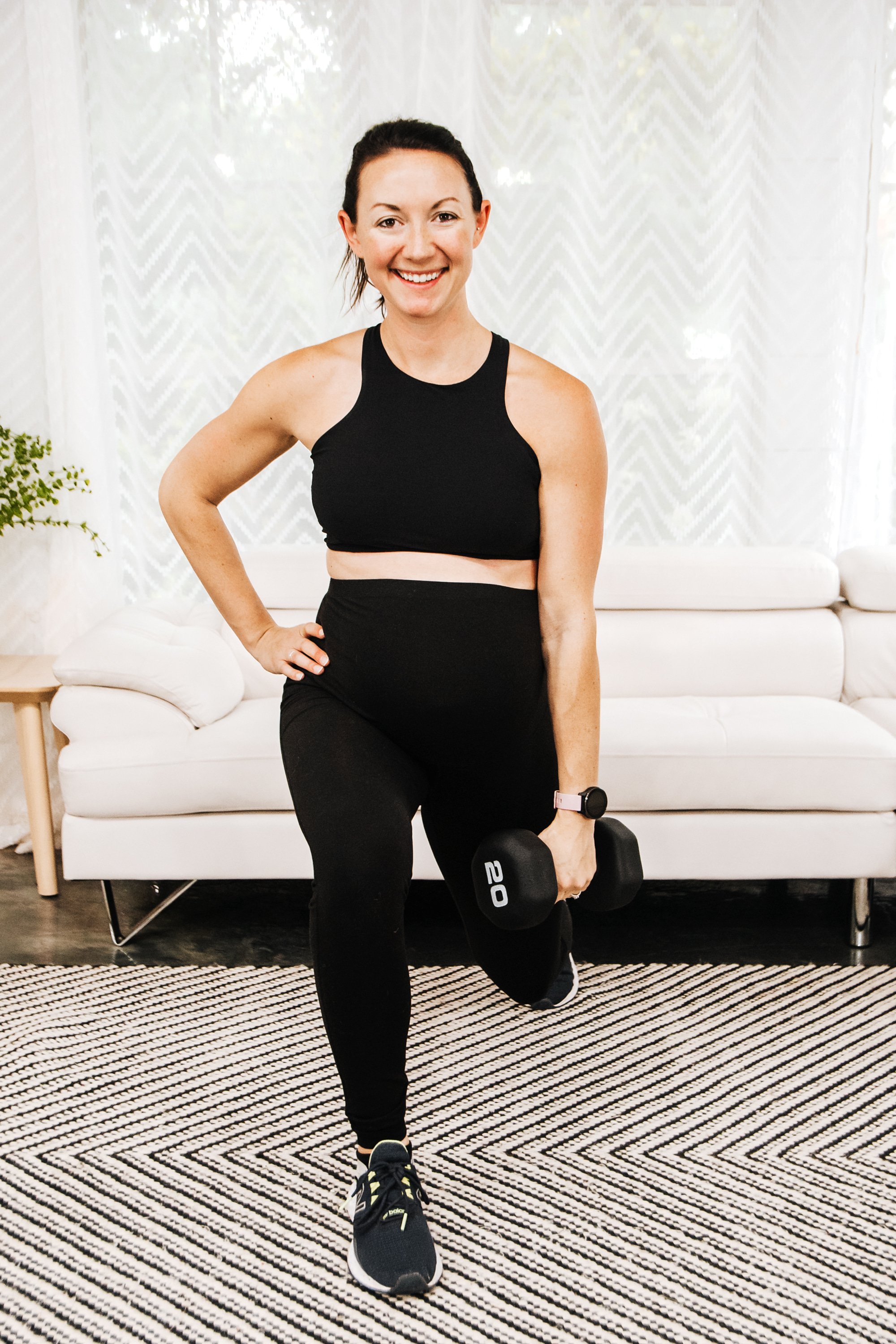
I’m Nicole, Pre/Postnatal Fitness Coach and founder of Strong Mama Wellness. I take the confusion out of exercising in pregnancy and postpartum and help women strengthen their body for pregnancy, delivery, and recovery. You deserve to have a thriving, healthy pregnancy and postpartum journey!
Keep your pregnancy workouts safe with our FREE Guide!
You’ll learn important exercise modifications for each trimester of pregnancy.
